
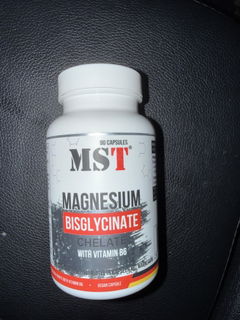
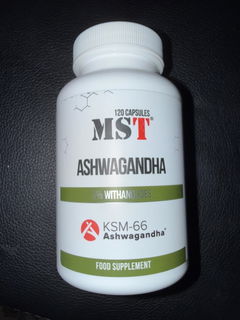
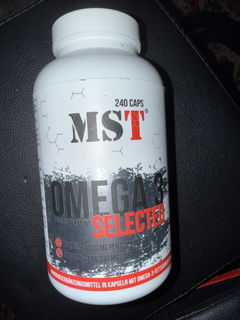
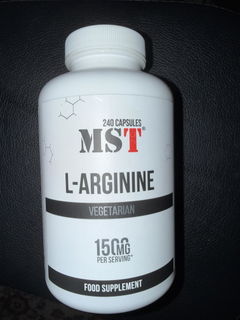
Calcium Citrate D3 K2VITAL® 120 Tab
Calcium Citrate D3 K2VITAL® 60 tab
Healthy® Calcium Magnesium + Zinc Chelate 100 tabs
Calcium – A vital mineral for bones, muscles and nerves
What is calcium?
Calcium is the most abundant mineral in the human body. Approximately 99% of calcium is found in bones and teeth , while the remainder performs important functions in the blood, muscles, and nerve cells.
A balanced calcium level is crucial for:
-
bone health
-
muscle function
-
nerve conduction
-
blood clotting
-
energy metabolism
Calcium Deficiency – Symptoms and Causes
A calcium deficiency can develop gradually and often affects postmenopausal women, older people, vegans, or people with lactose intolerance.
Typical signs of calcium deficiency:
-
brittle nails and hair loss
-
Muscle cramps, tremors
-
Bone pain, osteoporosis
-
increased irritability or difficulty concentrating
-
Tooth damage or slow healing
Causes:
-
Low-calcium diet
-
Vitamin D deficiency
-
Impaired absorption in the intestine
-
high magnesium or phosphate content
Calcium and Vitamin D – The optimal combination
Vitamin D with calcium is a proven combination, as vitamin D promotes the absorption of calcium in the intestine and supports its incorporation into the bones.
Those who take calcium without vitamin D risk poor bioavailability – therefore, many dietary supplements contain a combination of calcium and vitamin D.
Calcium and magnesium – antagonists with synergy
Calcium and magnesium work in balance in the body:
| Calcium has an effect... | Magnesium has an effect... |
|---|---|
| activating muscle cells | relaxing on muscle cells |
| promotes bone formation | stabilizes cell membranes |
| contracts muscles | releases muscle tension |
An ideal ratio is approximately 2:1 or 3:2 (calcium to magnesium). High-quality supplements, such as those from MST Nutrition , offer precisely this balance.
Coral Calcium – A Natural Alternative
Coral calcium comes from fossil coral deposits and contains not only calcium but also magnesium, trace elements and natural minerals .
Benefits of coral calcium:
-
natural origin
-
particularly bioavailable
-
combines calcium, magnesium and other micronutrients
-
ideal for people who want to avoid synthetic forms
Daily calcium requirement – How much calcium per day?
The question "How much calcium per day?" depends on age, gender and health status.
| Age group | Daily calcium requirement |
|---|---|
| Adults (19–50 years) | 1000 mg |
| Youth & Seniors (50+) | 1200–1300 mg |
| Pregnant and breastfeeding women | 1000–1300 mg |
| Children (7–12 years) | 900–1100 mg |
Those who do not consume sufficient amounts of calcium through their diet (e.g., dairy products, green vegetables, nuts) should supplement with a high-quality calcium supplement .
Calcium at MST Nutrition – Quality for bones and health
MST Nutrition offers functional combinations of:
-
Calcium + Magnesium + Zinc – for bones, muscles and immune system
-
Calcium with vitamin D3 – for improved absorption
-
Powder and tablet forms – depending on individual preference
The products are:
-
Made in Germany
-
without artificial additives
-
scientifically dosed and synergistically formulated
Conclusion
Calcium is essential for strong bones, strong muscles, and healthy nerves. Those who cannot meet their daily requirements through diet or have an increased risk of calcium deficiency should opt for high-quality supplements – ideally in combination with vitamin D and magnesium .
Buy calcium now at MST Nutrition – for healthy bones and active performance.
Official and scientific sources on calcium
-
German Nutrition Society (DGE)
Daily recommendations for calcium, requirements by age group
➡️ https://www.dge.de/wissenschaft/referenzwerte/kalzium/ -
Federal Centre for Health Education (BZgA) – Recognizing calcium deficiency
➡️ https://www.gesundheitsinformation.de/kalzium.html -
Pharmacy Review – Calcium and its functions in the body
➡️ https://www.apotheken-umschau.de/gesundheit/kalzium-essenzielles-mineral-745157.html -
Verbraucherzentrale.de – Calcium and its bioavailability
➡️ https://www.verbraucherzentrale.de/wissen/lebensmittel/nahrungsergaenzungsmittel/calcium-in-nahrungsergaenzungsmitteln-7098 -
National Institutes of Health (NIH, USA) – Calcium Fact Sheet
(in English, very detailed)
➡️ https://ods.od.nih.gov/factsheets/Calcium-Consumer/ -
Medical University of Vienna – Calcium Intake and Osteoporosis Prevention
➡️ https://www.meduniwien.ac.at/web/fileadmin/content/serviceeinrichtungen/osteoporose/downloads/Patienteninfo_Calcium_D_Vitamin.pdf
- Choosing a selection results in a full page refresh.